Moving to Saint Augustine From the Northeast Step by Step
Moving to Saint Augustine from the Northeast goes best when you work in a set order. Here is the order I walk my clients through.
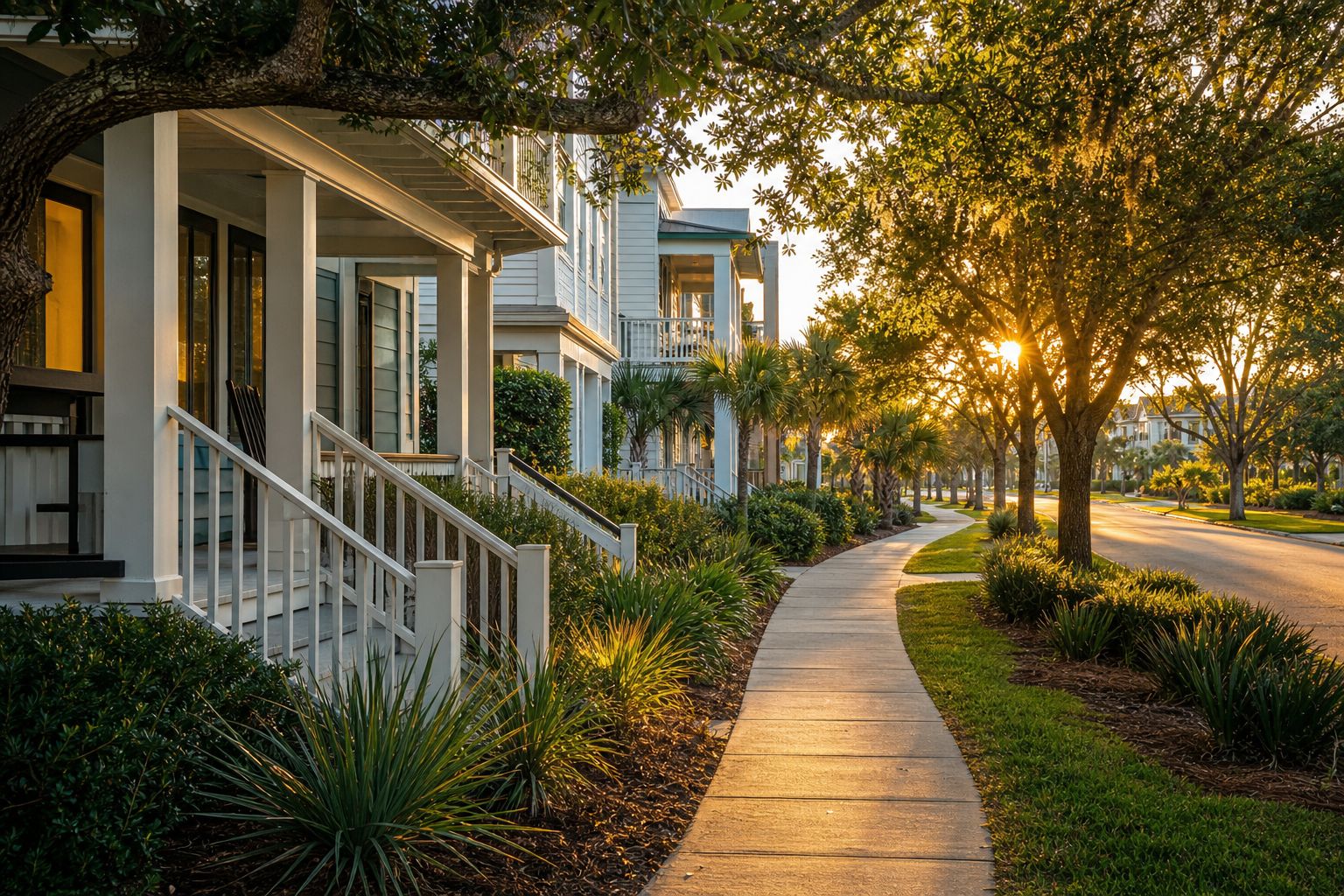
Short answer: Moving to Saint Augustine from the Northeast goes best when you work in a set order. First, check your finances and medical needs. Then prepare the northern home, get local market guidance, and decide whether to sell first, buy first, or rent in between. After that, review flood and insurance exposure, set up your Florida residency tasks, and file for homestead. Skip a step and the timing gets expensive.
By Brian Sacks, SRES®, Christie's International Real Estate First Coast · October 14, 2026
Key Takeaways
- Plan your move around a range of sale timelines, never a promised number of days.
- Florida's homestead exemption can reduce a qualifying property's taxable value by as much as $50,000, but you must establish permanent Florida residency as of January 1 and generally file by March 1.
- Save Our Homes portability moves a prior Florida homestead benefit to a new Florida homestead, so it generally doesn't help a direct move from another state.
- A temporary rental in the Saint Augustine area lowers the risk of selling and buying on schedules that don't match.
- Flood zone, wind exposure, and insurance vary a lot by address, so review them before you commit to a specific home.
I moved to Jacksonville because of the fishing. So I know what it's like to point yourself at Northeast Florida and figure out the rest later. My clients coming from the Northeast often don't have that luxury. They're usually selling a high-equity home, they've researched for months, watched the community tours, and compared HOA and CDD fees. What they want is the order of operations. Here it is.
What should you do before you list your northern home?
Start with your money, your health needs, and your house, in that order. Do these three things before you call a single agent in Florida, and the rest of the move gets much calmer.
Step 1. Check your finances and medical needs
Decide what you can spend and what you want your days to look like. Are you buying with cash or a large down payment? Do you need specialists nearby? Do you want to be close to loved ones?
Build your budget by category, not by guesswork:
- Moving and storage
- Temporary housing
- Inspections
- Appraisal and lender charges, if you finance
- Title and settlement services
- Insurance and property taxes
- Repairs, utility setup, and transportation
Contract terms decide who pays many of these. Florida's documentary stamp tax is set by state law, but who pays it can be negotiated between the parties. Confirm it in your own contract. Your personal numbers come from a one-on-one conversation, and that's something I do with every client.
Step 2. Declutter and prepare the northern home
Downsizing is easier before the sale than after it. Sort what goes to Florida, what goes to family, and what goes out the door. Then handle the repairs a buyer's inspector would flag. A cleared, tidy house also tends to show better.
Step 3. Get local market guidance for your northern home and your Florida target
Your northern agent knows your northern market. You also need someone who knows Saint Augustine, because Saint Augustine and St. Johns County are not one market. City figures and countywide figures differ, and neighborhoods vary by flood exposure, distance from the coast, age of housing, and access to services.
This is why many northerners work with a Northeast Florida relocation specialist long before they pick a street. I help you line up the Florida side while your northern agent handles the sale.
Should you sell first, buy first, or rent in between?
For most northern sellers, a two-stage plan works best: sell the northern home, rent in the Saint Augustine area for a stretch, then buy with no deadline pressure. It removes the risk of two closings landing on the wrong dates.
Step 4. Pick your sequence
Here's how the three paths compare:
- Sell first: You know your exact budget and can make a clean offer. The tradeoff is that you may need housing before you've found the right home.
- Buy first: You get the home you want without a rush. The tradeoff is carrying two homes, and a sale timeline you don't control.
- Temporary rental or extended stay: You get breathing room on both ends. The tradeoff is a second move, though many clients tell me it was worth it.
Don't plan around a promised number of days to sell. An individual home's timeline and value depend on condition, street, build year, and timing, and area-level medians move with the mix of what sold. When a market offers real choices, a buyer who isn't rushed tends to do better.
Who runs the closing?
In Florida, you pick your closing agent. It can be a title company or a real estate attorney, and both are completely normal. A title company is often the simpler, more streamlined route. An attorney may appeal if you want a lawyer's eyes on the contract. I'm happy to work with either.
How do you choose where to live and check insurance risk?
Choose by property type and exposure, not by a name on a map. Saint Augustine has very different housing types, and each comes with its own maintenance, driving, and insurance picture.
Step 5. Compare property types and review risk
- Historic downtown and nearby older neighborhoods: close to restaurants, cultural sites, and services. The homes are older, so maintenance can be distinctive.
- Newer inland communities: newer construction and on-site amenities, with more driving to reach everything else.
- Coastal and Intracoastal areas: the views and water access are the draw. They also need a careful look at flood zone, storm surge, wind, and insurance.
Many people relocating from the Northeast look at age-restricted communities. The feel, cost structure, and closing timeline differ from one to the next. My breakdown of age-restricted communities in St. Johns County shows how to compare them. If you're leaning toward new construction, know this: the builder's sales rep works for the builder, not for you. That's why I wrote about having a buyer's agent on new construction.
I always address hurricanes and insurance honestly. When we look at a specific home, we talk about its flood zone, an elevation certificate, wind mitigation, and a 4-point inspection where they apply. Get insurance quotes on the actual address before you commit. The price and availability can differ a lot from one home to the next.
How do you settle in as a Florida resident after the move?
Once you've moved, you take care of a short list of tasks. Do them in a sensible order, and homestead comes first because of a calendar rule.
Step 6. Transfer your daily-life accounts
- Utilities and internet
- Medical care and prescriptions
- Vehicle registration
- Voting registration
Handle these after you've established Florida residence. Check requirements with the relevant Florida agencies, since I can't speak for their procedures.
Step 7. File for homestead and find local support
Florida's homestead exemption can reduce a qualifying property's taxable value by as much as $50,000. You apply through the property appraiser in the county where the home sits. Per Form DR-501, you must establish permanent Florida residency as of January 1 and generally file by March 1. Closing late in the year can affect which year you qualify for, so ask me about the timing early.
One thing trips up northern buyers. Save Our Homes portability moves a prior Florida homestead benefit to a new Florida homestead. If you're coming straight from another state, it generally isn't your benefit. Confirm your own eligibility with the St. Johns County Property Appraiser.
For support after the move, the Council on Aging of St. Johns County is a good starting point. It lists local services including adult day care and independent-living services. For the broader picture of purchase timing in this region, see when buyers actually purchase in Northeast Florida.
The core idea is simple: take the steps in order, and give yourself room on the timeline. Moving to Saint Augustine from up north goes best when the sale, the Florida home, and the residency paperwork each get their own clock. That's what I do for my clients, from the first numbers conversation to the keys.
Common questions
What should you do first when moving from the Northeast to Saint Augustine?
Start with your finances and medical needs, not house hunting. Decide your budget, how you'll pay, and what care and services you want nearby. Then prepare your northern home and get local market guidance so the Florida side is ready when your sale is.
Should I sell my northern home before buying in Saint Augustine?
Selling first is often the safer choice, but a temporary rental or extended stay in the area gives you the most flexibility. It lets you buy without a deadline and avoids carrying two homes. Sale timelines vary, so don't build your plan around a fixed number of days. I'll walk through the tradeoffs for your situation.
Can someone moving from another state qualify for Florida's homestead exemption?
Possibly, once you establish permanent Florida residency. The state's application form says residency must be established as of January 1, and filing is generally due by March 1. Portability is a separate benefit for people moving from one Florida homestead to another. Confirm your eligibility with the St. Johns County Property Appraiser.
What local support services are available in St. Johns County?
The Council on Aging of St. Johns County offers services including adult day care and independent-living services. Start at their website to see what fits your needs. It's worth looking before you move, not after.
What should northern homeowners know about hurricanes, flooding, and insurance?
Flood exposure, wind risk, and insurance all vary by address, not by town. Coastal and Intracoastal areas need an especially careful look at flood zone and storm surge. Get insurance quotes on a specific home before you commit, and ask me which property-level reports matter for it.
Want a straight answer for your situation?
Book a free 15-minute strategy call. I will tell you what fits, what to watch for, and when the answer is no.